

What you need to know
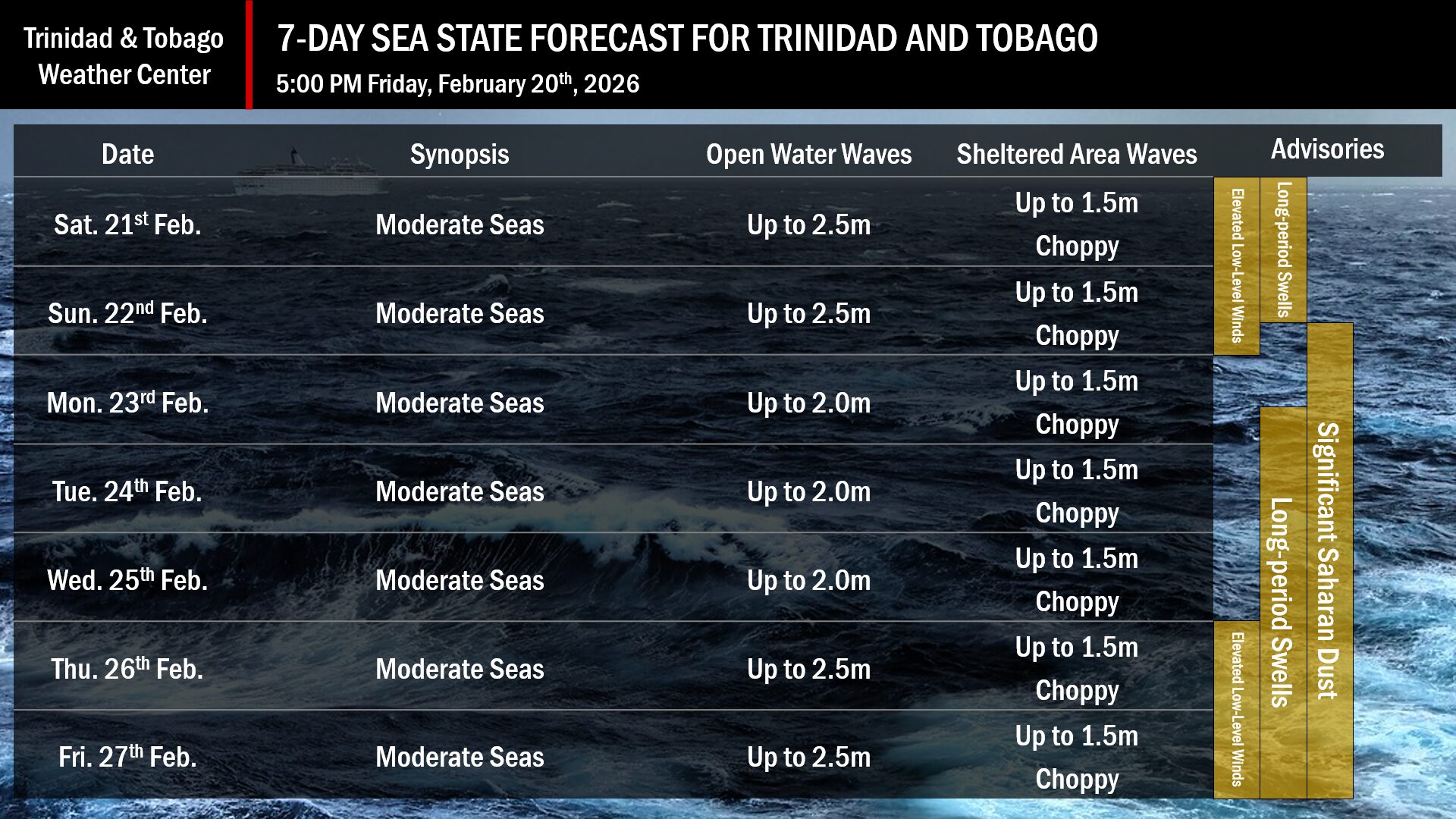
— What: Long-period swells throughout the forecast period are forecast to produce large, breaking waves. Increased low-level winds are likely to lead to locally choppy seas.
— Where: Swells are expected primarily impact Tobago’s north and northeastern coastlines, Trinidad’s north and northeastern coastlines, and to a lesser extent, north-facing coastlines of the Gulf of Paria. Locally choppy/locally rough seas are possible across the entire marine area, particularly near showers
— When: Peak swells are forecast between February 20th and February 21st, and agin from late February 23rd through February 28th. The most impactful swells, with periods of 14 to 17 seconds, are likely to occur between February 25th and 26th. In addition, peak low-level winds are likely on February 21st and 22nd, and again on February 26th and 27th.
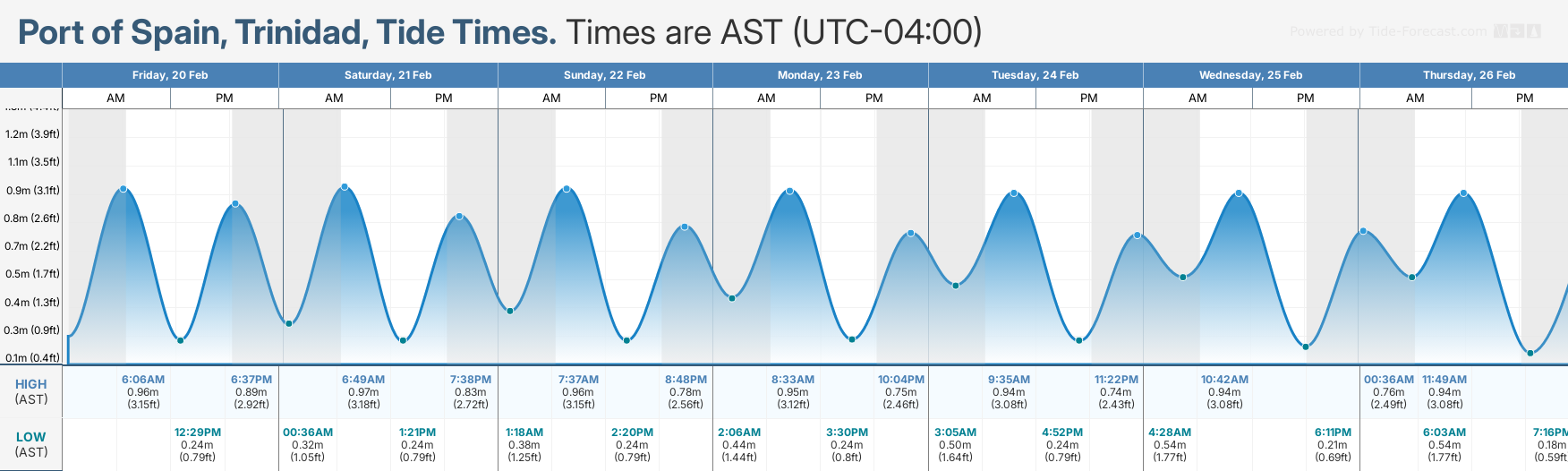
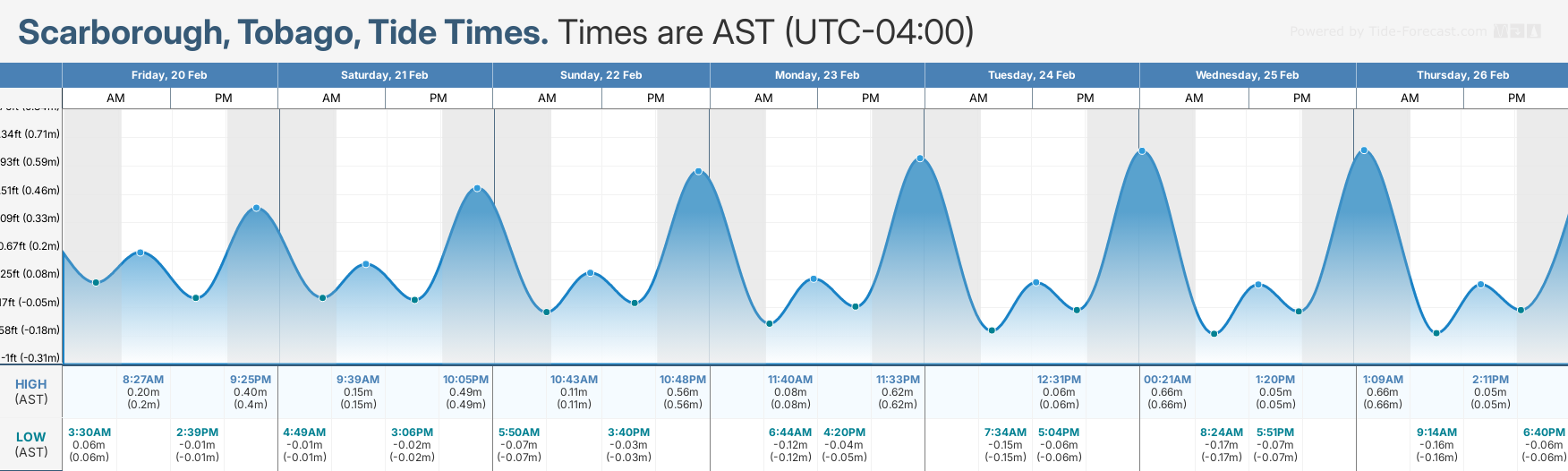
— Impacts: Agitated seas with exacerbated conditions at high tides, larger-than-normal breakers with large, battering waves in the surf zone; possible disruption of near-shore activities, including fishing, swimming, and boat moorings; coastal flooding with intrusion of salt water, and displacement of sand, further than the average reach point, and elevated risk of rip currents, particularly along northern and eastern beaches.
— What Should You Do: All marine interests are advised to exercise caution. Inexperienced mariners should avoid navigating in hazardous conditions, especially those operating smaller vessels. Inexperienced swimmers should use beaches with lifeguards on duty. Secure coastal property and objects on the beachfront that the wave action or winds may sweep away. During periods of peak long-period swells, limit or restrict marine activities.
Latest Alerts

Localized Flood Alert Discontinued For Trinidad
Trinidad and Tobago is NOT under any tropical storm or hurricane threat, watch, or warning at this time.
Seas Forecast For Trinidad and Tobago
What should you do
All marine interests should practice common-sense safety. Small craft operators should seek safe harbor during heavy showers and thunderstorms. Inexperienced mariners, especially those operating smaller vessels, should avoid navigating in hazardous conditions. Inexperienced swimmers, if intending to go into the water, should use beaches with lifeguards on duty.
Secure coastal property and objects on the beachfront that the wave action or winds may sweep away, particularly on February 21st and 22nd, and again on February 26th and 27th, when elevated winds are forecast due to a strong pressure gradient across the area.
From February 22nd, Saharan Dust concentrations are forecast to be significant across Trinidad and Tobago, greatly reducing horizontal visibility. Particularly during dawn and dusk, and when winds are elevated, small craft operators should exercise enhanced caution.
Elevated winds will lead to choppy seas in the Gulf of Paria and larger-than-usual waves. Mariners should generally exercise caution during heavy showers or thunderstorms, as seas may become locally rough or choppy in their vicinity, particularly due to gusty winds.
Rip currents always pose a hazard on the nation’s beaches. If caught in a rip current, swim perpendicular to the current, parallel to the shore.


